
As Pakistan continues to develop modern infrastructure, the demand for efficient and reliable cooling systems has never been greater. Large public facilities such as hospitals, airports, universities, shopping malls, government buildings, convention centers, and transportation hubs require cooling solutions capable of maintaining comfortable indoor environments despite extreme outdoor temperatures.
Pakistan’s climate presents unique challenges, particularly during the summer months when temperatures often exceed 40°C in many regions. For facilities that serve thousands of people daily, maintaining optimal indoor temperatures is not simply a matter of comfort—it is essential for safety, productivity, equipment protection, and operational continuity.
This is why chiller systems have become the preferred cooling solution for large public facilities across the country. Unlike traditional air conditioning systems, chillers are designed to handle extensive cooling demands efficiently and reliably.
At Smart Climate Solutions Pvt Ltd, we understand the critical role that advanced cooling systems play in supporting Pakistan’s growing public infrastructure. This article explores why large public facilities depend on chiller systems for reliable cooling and how these systems contribute to operational excellence.
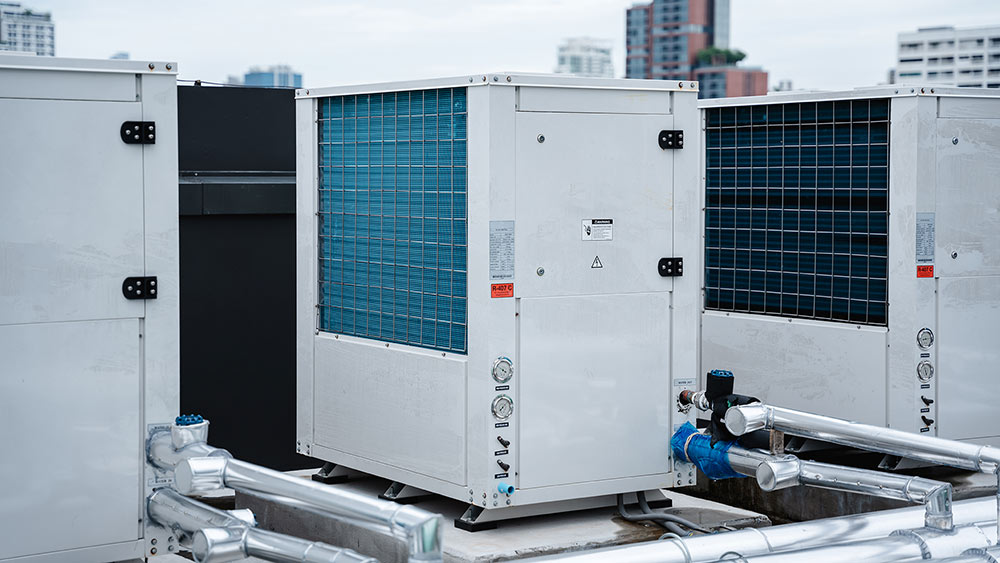
Understanding Chiller Systems
A chiller is a centralized cooling system that removes heat from water or another liquid through a refrigeration process. The chilled liquid is then circulated through air handling units, fan coil units, or other cooling equipment to maintain desired temperatures throughout a building.
Chillers are commonly used in:
- Hospitals
- Airports
- Educational institutions
- Shopping malls
- Government facilities
- Sports complexes
- Hotels
- Industrial plants
- Data centers
- Convention centers
Because of their ability to cool large spaces efficiently, chillers have become an essential component of modern building infrastructure.
The Growing Need for Reliable Cooling in Pakistan
Pakistan’s urban population continues to grow, increasing demand for large-scale public facilities. As cities expand and modern construction projects become more common, facility managers face growing pressure to provide comfortable and safe environments for occupants.
Several factors contribute to the rising demand for reliable cooling:
High Summer Temperatures
Many parts of Pakistan experience prolonged periods of intense heat. Without effective cooling systems, public facilities can quickly become uncomfortable and even unsafe.
Increased Occupancy Levels
Large buildings often accommodate thousands of visitors, employees, patients, students, or passengers every day.
Sensitive Equipment Requirements
Many facilities rely on electronic systems that generate heat and require temperature-controlled environments.
Energy Efficiency Goals
Organizations are increasingly seeking solutions that reduce energy consumption while maintaining high performance.
Chiller systems address these challenges effectively, making them a preferred choice for large facilities.
- Ability to Cool Large Spaces Efficiently
One of the primary reasons public facilities choose chiller systems is their ability to cool large buildings efficiently.
Traditional air conditioning units are often suitable for small offices or residential properties, but they struggle to meet the cooling demands of extensive facilities.
Chillers provide centralized cooling capable of serving:
- Multiple floors
- Large halls
- Open spaces
- Connected buildings
- Complex infrastructures
This centralized approach ensures consistent temperature control throughout the facility while minimizing energy waste.
For airports, universities, and shopping centers, this level of performance is essential.
- Reliable Performance During Extreme Weather Conditions
Pakistan’s climate can place significant stress on cooling equipment.
Large public facilities cannot afford cooling system failures during peak summer months. A breakdown in a hospital, airport, or government building can disrupt operations and create serious challenges for occupants.
Modern chiller systems are engineered to operate under demanding environmental conditions.
Key reliability advantages include:
- Heavy-duty construction
- Advanced control systems
- Continuous operation capabilities
- High-performance compressors
- Automated monitoring technologies
These features help ensure uninterrupted cooling even during periods of extreme heat.
- Superior Energy Efficiency
Energy costs remain a major concern for facility managers across Pakistan.
Operating a large public facility can require substantial electricity consumption, making energy-efficient cooling solutions a top priority.
Modern chillers are designed to maximize efficiency through technologies such as:
- Variable speed drives
- Intelligent controls
- High-efficiency compressors
- Load optimization systems
Instead of operating at full capacity all the time, advanced chillers adjust their output based on actual cooling requirements.
Benefits include:
- Lower electricity bills
- Reduced energy waste
- Improved operational efficiency
- Better sustainability performance
Over time, these savings can significantly reduce operating expenses.
- Enhanced Comfort for Occupants
Public facilities serve a diverse range of people every day.
Comfortable indoor temperatures contribute directly to:
- Employee productivity
- Patient recovery
- Student learning
- Customer satisfaction
- Visitor experience
Uneven cooling can create discomfort and negatively affect building performance.
Chiller systems provide:
- Consistent temperature control
- Better humidity management
- Improved indoor air quality
- Reduced hot and cold spots
This creates a more comfortable environment for everyone using the facility.
- Support for Critical Operations
Many public facilities perform essential functions that depend on reliable climate control.
Hospitals
Medical equipment, laboratories, operating rooms, and patient areas require precise temperature management.
Airports
Passenger terminals, control rooms, and equipment areas need continuous cooling to maintain operations.
Universities
Lecture halls, libraries, computer labs, and research facilities require stable indoor conditions.
Government Buildings
Public service centers depend on uninterrupted cooling to serve citizens efficiently.
Chillers provide the reliability needed to support these mission-critical environments.
- Long-Term Cost Savings
Although installing a chiller system may require a larger initial investment, the long-term financial benefits are substantial.
Organizations benefit from:
Lower Energy Consumption
Efficient operation reduces monthly utility expenses.
Reduced Maintenance Costs
Modern chillers are designed for durability and longevity.
Extended Equipment Life
Properly maintained systems often operate for 20 to 30 years.
Improved Asset Value
High-quality cooling infrastructure enhances property value and operational capability.
When evaluated over the system’s lifespan, chillers often provide a lower total cost of ownership compared to alternative cooling solutions.
- Scalability for Growing Facilities
Many public facilities continue to expand over time.
New wings, additional buildings, increased occupancy, and changing operational requirements create new cooling demands.
One of the biggest advantages of chiller systems is scalability.
Facility managers can:
- Increase cooling capacity
- Add additional equipment
- Expand infrastructure
- Adapt to future growth
This flexibility makes chillers a strategic investment for organizations planning long-term development.
- Smart Monitoring and Building Automation Integration
Digital transformation is reshaping facility management across Pakistan.
Modern chiller systems can integrate with Building Management Systems (BMS) and smart monitoring platforms.
Benefits include:
Real-Time Performance Tracking
Operators can monitor system performance continuously.
Predictive Maintenance
Potential problems can be identified before failures occur.
Remote Access
Facility managers can control systems from remote locations.
Energy Analytics
Detailed reports help optimize efficiency and reduce costs.
These smart capabilities improve operational control while minimizing downtime.
- Improved Environmental Sustainability
Sustainability has become an important consideration for both public and private sector organizations.
Energy-efficient chiller systems contribute to environmental goals by:
- Reducing electricity consumption
- Lowering carbon emissions
- Supporting green building initiatives
- Using environmentally responsible refrigerants
As Pakistan continues to focus on sustainable development, chillers help organizations balance performance with environmental responsibility.
Common Public Facilities That Use Chiller Systems
Across Pakistan, chillers are widely used in:
Hospitals and Healthcare Facilities
Reliable cooling protects patients, staff, and medical equipment.
Airports
Large terminals require continuous climate control for passengers and operations.
Shopping Malls
Thousands of daily visitors depend on comfortable indoor environments.
Universities and Educational Institutions
Students and faculty benefit from productive learning environments.
Government Buildings
Public service facilities require reliable cooling for efficient operations.
Sports and Recreation Centers
Large venues rely on centralized cooling systems to accommodate crowds.
Convention and Exhibition Centers
Events often attract thousands of attendees, creating significant cooling demands.
Why Chillers Are Ideal for Pakistan’s Future Infrastructure
Pakistan’s infrastructure landscape is evolving rapidly.
Future projects increasingly require:
- Energy efficiency
- Operational reliability
- Sustainability
- Scalability
- Smart technology integration
Chiller systems meet these requirements while providing dependable performance under challenging climate conditions.
As urban development continues and public facilities expand, chillers are expected to remain the preferred cooling solution for large-scale infrastructure projects throughout the country.
Frequently Asked Questions (FAQs)
- What is a chiller system and how does it work?
A chiller system removes heat from water or another liquid through a refrigeration cycle. The chilled liquid is then circulated throughout a building to provide efficient and centralized cooling.
- Why are chillers preferred for large public facilities?
Chillers can efficiently cool large spaces, provide consistent temperature control, reduce energy consumption, and support continuous operation in demanding environments.
- Are chiller systems energy-efficient?
Yes. Modern chillers use advanced technologies such as variable speed drives and smart controls to optimize performance and significantly reduce energy usage.
- Which public facilities commonly use chillers in Pakistan?
Hospitals, airports, shopping malls, universities, government buildings, convention centers, hotels, and sports complexes commonly rely on chiller systems for cooling.
- How long can a commercial chiller system last?
With proper maintenance and professional servicing, a commercial chiller system can operate efficiently for 20 to 30 years or more.